Enhance Your Surroundings: How to Benefit from Expert Architectural Design Solutions
Skilled architectural design offerings fulfill a crucial part in reshaping environments. Such solutions integrate utility with artistic vision, making certain that all projects fulfill both operational demands and design criteria. Designers utilize cutting-edge methods and eco-friendly approaches, tailoring their plans to meet neighborhood demands. Yet, numerous individuals fail to recognize how these offerings can unlock the full capabilities of their spaces. Exploring the multifaceted advantages of engaging an architect reveals insights that could redefine any space.
Revealing the Worth of Professional Architectural Design
Revealing the value of professional architectural design is essential for optimizing both aesthetic appeal and functionality in any endeavor. Exceptional architectural design reaches beyond surface-level appearance; it integrates the principles of structural integrity, space planning, and environmental sustainability. By applying cutting-edge strategies and a thorough understanding of building materials, architects develop spaces that are not only beautifully appealing but also practical and efficient.
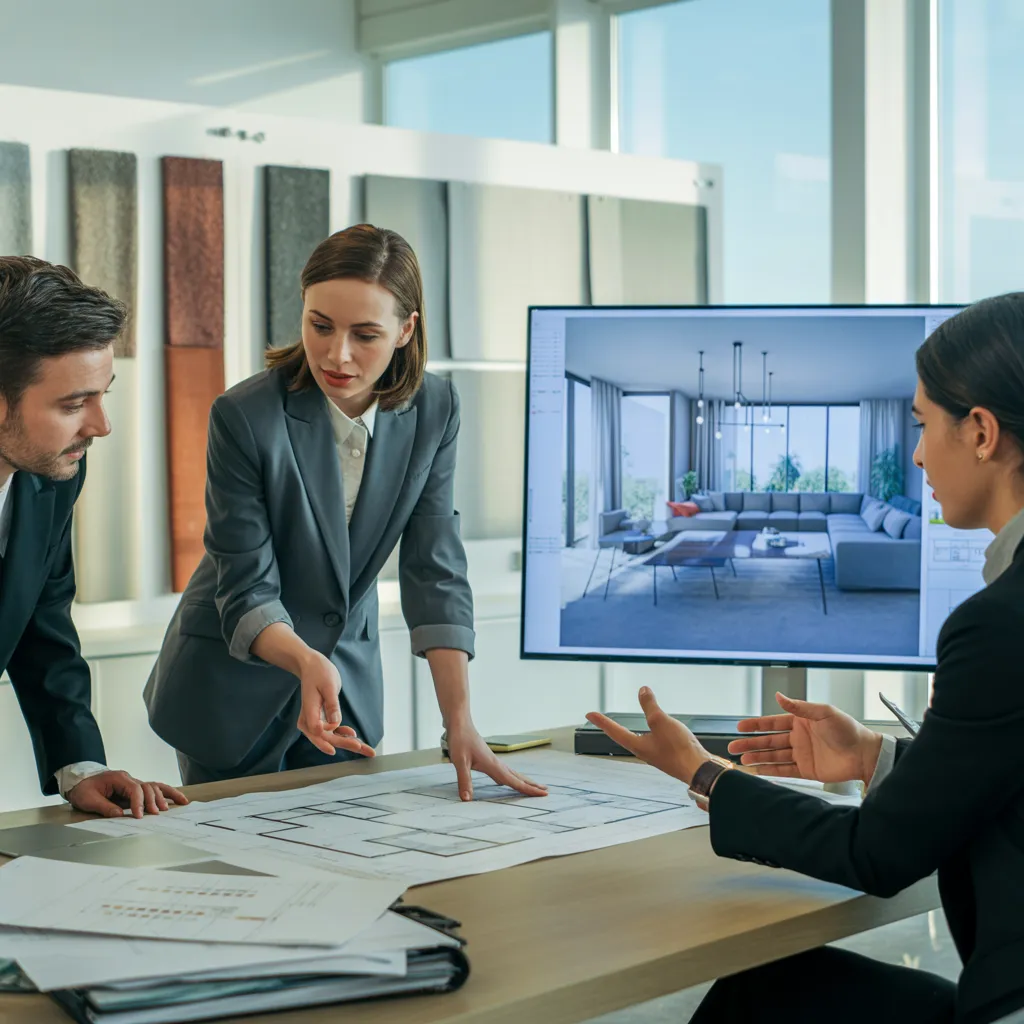
Furthermore, professional architects evaluate the distinct circumstances of each undertaking, including community needs, climate, and local regulations. This all-encompassing approach guarantees that the architectural design is not only cutting-edge but also in harmony with its surroundings. They make use of advanced technology, such as advanced 3D modeling, to give clients a clear picture of the final product. Ultimately speaking, committing to professional architectural design results in lasting benefits, boosting both the experience of those within and the property's overall worth.
Key Benefits of Hiring an Architect for Your Design Project
Engaging an architect for a design project offers many benefits that elevate both the project process and final result. Architects bring a wealth of expertise, making certain that projects comply with local regulations and building codes, which can eliminate costly complications down the line. Their ability to create comprehensive plans and specifications helps streamline the construction process, minimizing delays and misunderstandings among contractors.
In addition, architects demonstrate expertise in coordinating projects, managing multiple elements of all design and construction stages. This level of oversight confirms that deadlines and financial plans are maintained, giving clients reassurance. In addition, architects have the ability to pinpoint potential difficulties during the early stages of design, allowing for proactive problem-solving. Their knowledge of various materials and construction approaches can lead to innovative solutions that optimize efficiency and environmental responsibility. In the end, working with an architect not only enhances the design undertaking but also enhances the overall experience for clients.
Elevating Aesthetics and Functionality Through Architectural Proficiency
Architectural expertise plays a vital role in enhancing both aesthetics and functionality in design projects. By employing innovative design solutions, making the most of available space, and choosing eco-friendly materials, architects are able to develop spaces that are aesthetically pleasing and functional. This methodology not only fulfills client requirements but also promotes environmental responsibility.
Innovative Design Solutions
Innovative design strategies transform spaces by skillfully integrating beauty with purpose. Creative professionals utilize dynamic techniques to fulfill unique client expectations while elevating aesthetic quality. By incorporating materials, colors, and forms that harmonize with the setting, experts develop unified settings that capture distinctive styles. Advanced technology, including digital modeling and VR technology, provides lifelike renderings, enabling clients to visualize concepts before implementation. Additionally, embracing environmentally responsible strategies confirms that aesthetics and sustainability go hand in hand. Through deliberate assessment of natural light, spatial dynamics, and circulation, these solutions maximize user experience and promote well-being. At its core, visionary design encourages a powerful connection between practicality and beauty, improving the character of everyday living and working areas.
Space Efficiency Strategies
Maximizing space involves careful planning and thoughtful design methods that improve both visual appeal and practicality. Expert architectural design firms utilize methods such as open floor plans, that do away with superfluous walls and cultivate an airy atmosphere. Multi-functional furniture can be integrated to serve various purposes, making certain that every square foot is maximized efficiently. Additionally, thoughtful placement of windows and mirrors can create the illusion of larger spaces, attracting natural light and amplifying visual dimension. Designers also account for circulation patterns, guaranteeing that flow through a space is both seamless and effective. By prioritizing these optimization techniques, architects reshape environments into cohesive spaces that not only look appealing but also cater to the practical needs of their occupants.
Green Material Options
While prioritizing sustainability, architects increasingly turn to environmentally conscious materials that elevate both form and function. Making use of options such as bamboo, reclaimed wood, and recycled metal not only minimizes ecological footprint but also brings distinctive character to interiors. These choices contribute to a harmonious design, merging effortlessly with organic landscapes. Beyond this, including materials like energy-efficient glass and low-VOC paints improves indoor air quality and enhances thermal performance, ultimately relevant resource benefiting occupant health and comfort. Through the thoughtful choice of sustainable materials, architects design striking spaces that connect with environmentally aware clients. This methodology cultivates a more conscientious approach to architecture, demonstrating that aesthetics and environmental responsibility are compatible, while responding to the urgent call for green innovations in modern architecture.
How Technology Is Transforming Modern Architectural Designs
Today, countless technological advancements heavily affects architectural design, revolutionizing how structures are conceived and constructed. Building Information Modeling allows architects to produce precise three-dimensional designs, supporting better coordination among key stakeholders and guaranteeing accuracy throughout the design process. Additionally, VR and AR technologies empower clients to visualize areas ahead of the building phase, ensuring design choices are both informed and naturally guided.
Sustainability has also been enhanced through technology, with energy modeling software helping architects optimize building performance by simulating energy consumption and environmental impact. Moreover, innovative materials and building methods, such as 3D printing and prefabrication, optimize the construction workflow, reducing time and costs. The use of drones and robotics for site evaluations and inspections is growing, providing real-time data that improves accuracy and safety. Ultimately, technology serves to elevate creativity while ensuring that architectural solutions fulfill current expectations for efficiency and environmental responsibility.
Widespread Misunderstandings About Architectural Services
A great number of people hold misconceptions about architectural services, assuming they are prohibitively expensive and that architects exclusively deal with building design. This restricted outlook disregards the broad spectrum of services architects offer, including planning and consultation. Recognizing these misunderstandings is crucial to understanding the genuine importance of architectural expertise.
Architectural Services Are Expensive
The notion that architectural services are unreasonably priced often stems from misconceptions about their importance and extent. A great number of clients equate high costs with a lack of affordability, disregarding the long-term benefits that professional design can deliver. Architectural services involve more than just drawing up designs; they require extensive planning, regulatory compliance, and innovative problem-solving. By investing in these services, clients often cut costs in the long run through efficient resource use, reduced construction errors, and increased property value. In addition, the intricacy of a project can greatly affect costs, making it essential to understand that a well-planned design can lead to substantial financial savings. Ultimately, regarding architectural services as an long-term commitment rather than an expenditure can shift viewpoints and strengthen recognition of their importance.
Architects Only Design Buildings
One widespread myth is that architects only concentrate on building design. The fact is, their professional capabilities go much further than basic building design. Architects engage in city planning, landscape design, and interior spaces, creating cohesion among multiple elements. They collaborate with clients to create functional environments that enhance quality of life. Moreover, architects take part in sustainable development, weaving green practices into their architectural solutions. They frequently contribute to public areas, parks, and neighborhood initiatives, meeting community requirements and enhancing city infrastructure. Beyond that, architects contribute critical expertise to renovation and restoration efforts, honoring historical value while accommodating present-day demands. This multifaceted role showcases their importance in shaping not just buildings, but entire communities and environments.
Finding the Perfect Architect for Your Design Goals
How can someone ensure that the selected architect aligns with their particular design goals? Finding the right architect requires careful consideration of several factors. To begin, looking through an architect's portfolio can offer a glimpse of their creative direction and professional experience. This process allows prospective clients evaluate whether the architect's previous work reflects their personal design tastes.
Additionally, strong communication plays a key role. Conducting preliminary meetings gives clients the opportunity to share their thoughts and expectations freely. An architect's skill in listening carefully and responding meaningfully shows their genuine investment in understanding the client's needs.
Moreover, examining references and testimonials from clients can highlight the architect's reliability and professionalism. It is essential to confirm that the architect has experience relevant to the project's scope, whether for residential or commercial purposes. At the end of the day, a carefully selected architect can transform a vision into reality, making the hiring process pivotal for successful architectural outcomes.
Notable Accomplishments in Architectural Design
Bringing ideas to life, successful architectural design stories demonstrate the remarkable impact of deliberate planning and artistic execution. A standout example is the reimagining of a historic warehouse into a vibrant community center. Skilled architects thoughtfully maintained original architectural elements while incorporating contemporary facilities, creating an environment that encourages interaction and community involvement.
A further remarkable instance featured a sustainable residential project that made use of environmentally responsible materials and creative design approaches. This strategy not only decreased the carbon footprint but also cultivated a harmonious living environment, establishing a standard for upcoming projects.
In urban landscapes, the reimagining of neglected areas into lush recreational areas showcases how strategic design can strengthen the fabric of local communities. Every project embodies a dedication to enhancing functionality and aesthetics, proving how expert architectural solutions can transform environments and enrich daily living. These successes serve as a demonstration of the remarkable potential of architecture in crafting spaces that endure for generations to come.
Answers to Your Top Questions
What Qualifications Should I Look for in an Architect?
When searching for an architect, it is important to prioritize qualifications such as a relevant degree, professional licensure, a diverse portfolio, strong communication skills, and familiarity with the intended project type to secure efficient teamwork and positive outcomes.
How Long Does the Architectural Design Process Typically Take?
The architecture design workflow usually spans three to six months on average, based on project complexity, client requirements, and regulatory approvals. Clear communication and active collaboration may shorten this timeframe, making certain the completed design is provided promptly.
What Are the Expenses Involved in Hiring an Architect?
The fees involved in employing an architect typically range from 5% to 15% of the complete project budget, according to the project's complexity and scope. Extra charges may occur for consultations, amendments, and specialized services during the design process.
Can Architects Help With Permits and Zoning Regulations?
Certainly, architects can assist with permit acquisition and zoning compliance. Their expertise guarantees alignment with local legal requirements, simplifying the permit application process and limiting unnecessary postponements, ultimately ensuring the successful completion of a project.
How Can I Communicate My Vision Effectively to an Architect?
To interact successfully with an architect, one must gather visual references, communicate particular needs, share personal preferences, and stay receptive to recommendations. Clear communication and teamwork encourage meaningful conversation, guaranteeing that goals are consistent with professional architectural knowledge.
Improve